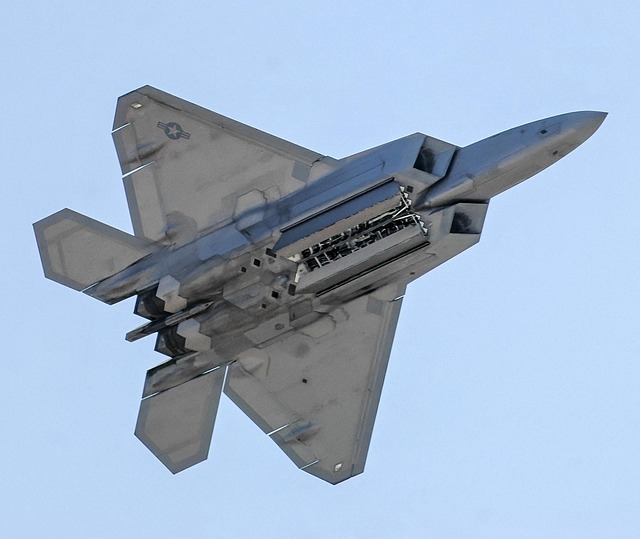
 The quarter’s defining event arrived late February when the US and Israel launched Operation Epic Fury, targeting Iran’s military infrastructure and senior leadership. Iran retaliated and moved to effectively blockade the Strait of Hormuz, through which roughly one-third of the world’s seaborne oil normally flows. WTI Crude oil surged more than +76% on the quarter, its largest gain since Q2 2020, briefly topping $119 per barrel (EIA Short-Term Energy Outlook, 3.10.26). The disruption rippled beyond oil, straining trade flows for fertilizers, aluminum, and natural gas, while stoking inflation fears across global markets.
US Equity markets stepped back during the first quarter of 2026 as a result, although the damage was uneven. The S&P 500 index fell -4.63%, the Nasdaq slid -7.11%, while the small-cap Russell 2000 bucked the trend with a modest gain of +0.58% (S&P Dow Jones Indices – excluding dividends, 3.31.26). Technology was hit hardest, as ongoing concerns about AI disruption weighed on software stocks. Energy naturally surged to lead all S&P sectors, followed by Materials, Utilities, and Consumer Staples – a clear shift toward defensive positioning as the quarter wore on (S&P Dow Jones Indices, Sector Dashboard). However, overseas stocks held positive for the quarter, although they also tripped in March on US Dollar strength.
Bond markets felt the pressure as well as long-term rates rose on commodities inflation concerns. At its March meeting, the Federal Reserve held rates steady at 3.50%–3.75% and its updated projections pointed to just one cut for all of 2026, with seven of nineteen policymakers favoring no cuts at all (Federal Reserve, SEP, 3.19.26). The yield curve flattened sharply, the US Dollar posted its best quarter since Q4 2024, and gold extended its winning streak despite a rather severe pullback at quarter-end for its fifth consecutive quarterly rise. However, Bitcoin futures fell rather significantly for their first back-to-back quarterly decline since mid-2022.
Looking ahead, several catalysts may shape the path forward. The US-China trade summit, pushed to May, offers potential relief on the trade front. Jerome Powell’s departure as Fed Chair that same month adds a layer of policy uncertainty. Most importantly, the duration of the Iran conflict and whether the Strait of Hormuz reopens will likely be the central driver of energy prices and inflation. Even so, S&P 500 earnings are still expected to grow roughly +13% in Q1 2026, marking a sixth consecutive quarter of double-digit growth (FactSet, Earnings Insight, 4.2.26). With that fundamental foundation intact, in our view staying diversified and focused on long-term objectives remains the prudent course for the time being.
Source: Index proxies based on dividend adjusted ETF time-series data from Unicorn-Data-Services. Data considered dependable, but not guaranteed. Past performance is no guarantee of future performance or profitability. Statements herein do not constitute individual investment advice – please speak with your advisor about your particular situation.




OUR TEAM
Jeff Pietsch CFA, Managing Director
Geopolitical Shock Rattles Global Markets
US Equity markets stepped back during the first quarter of 2026 as a result, although the damage was uneven. The S&P 500 index fell -4.63%, the Nasdaq slid -7.11%, while the small-cap Russell 2000 bucked the trend with a modest gain of +0.58% (S&P Dow Jones Indices – excluding dividends, 3.31.26). Technology was hit hardest, as ongoing concerns about AI disruption weighed on software stocks. Energy naturally surged to lead all S&P sectors, followed by Materials, Utilities, and Consumer Staples – a clear shift toward defensive positioning as the quarter wore on (S&P Dow Jones Indices, Sector Dashboard). However, overseas stocks held positive for the quarter, although they also tripped in March on US Dollar strength.
Bond markets felt the pressure as well as long-term rates rose on commodities inflation concerns. At its March meeting, the Federal Reserve held rates steady at 3.50%–3.75% and its updated projections pointed to just one cut for all of 2026, with seven of nineteen policymakers favoring no cuts at all (Federal Reserve, SEP, 3.19.26). The yield curve flattened sharply, the US Dollar posted its best quarter since Q4 2024, and gold extended its winning streak despite a rather severe pullback at quarter-end for its fifth consecutive quarterly rise. However, Bitcoin futures fell rather significantly for their first back-to-back quarterly decline since mid-2022.
Looking ahead, several catalysts may shape the path forward. The US-China trade summit, pushed to May, offers potential relief on the trade front. Jerome Powell’s departure as Fed Chair that same month adds a layer of policy uncertainty. Most importantly, the duration of the Iran conflict and whether the Strait of Hormuz reopens will likely be the central driver of energy prices and inflation. Even so, S&P 500 earnings are still expected to grow roughly +13% in Q1 2026, marking a sixth consecutive quarter of double-digit growth (FactSet, Earnings Insight, 4.2.26). With that fundamental foundation intact, in our view staying diversified and focused on long-term objectives remains the prudent course for the time being.
Source: Index proxies based on dividend adjusted ETF time-series data from Unicorn-Data-Services. Data considered dependable, but not guaranteed. Past performance is no guarantee of future performance or profitability. Statements herein do not constitute individual investment advice – please speak with your advisor about your particular situation.
Jeff Pietsch, CFA
Managing Director
RECENT ARTICLES
Geopolitical Shock Rattles Global Markets
Third Consecutive Banner Year Ends on Uneven Ground into 2026
Markets Rise on Trade Deals, Strong Earnings & Falling Rates
Markets Push Aside Headline Risks in the First Half
Markets Sour on US Tariff Policy Uncertainty in the First Quarter of 2025
Solid Growth & Rate Cuts Power Stocks to a Historic Return in 2024
Archives
Archives